|
Every year I create a special Christmas card with a new design. Most years I have been so busy selling at shows that I didn't have time to do anything fancy. This year was different. I haven't been able to do any shows this year due to the stroke I had in May. So, this presented me with the opportunity to take my time with the cards. So, for your enjoyment, here is my process for this year's fiber art Christmas tree cards. 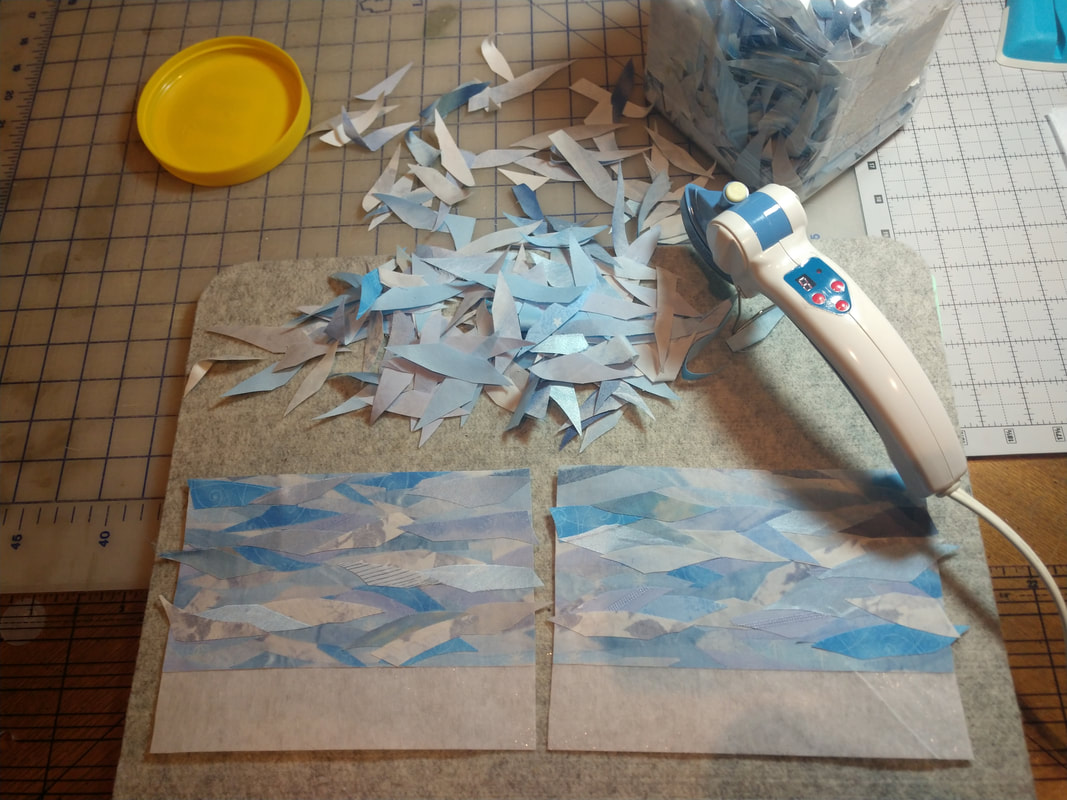 First I lay out the sky. These are tiny little pieces of fabric. I have attached a heat activated glue (Wonder Under) to the back of the fabric before cutting. Then I use my mini iron to attach the pieces to some heavy interfacing. 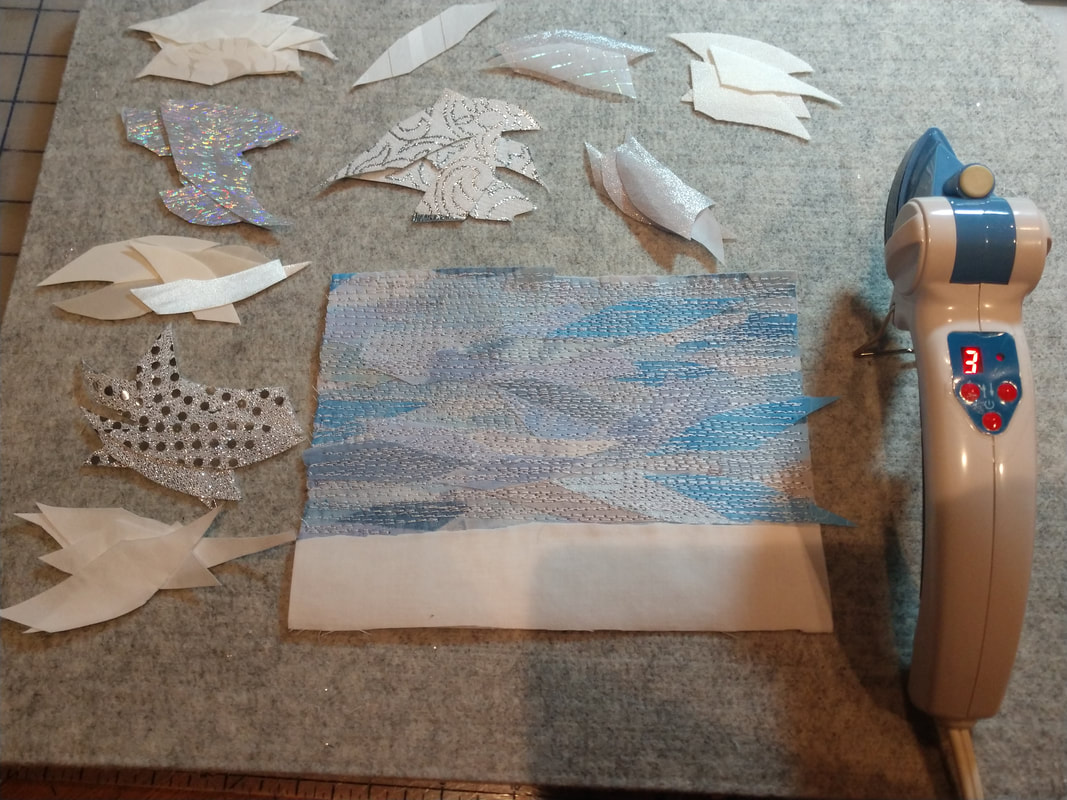 After stitching the sky, I lay out the snow fabrics. The sky is stitched with a lot of thread with a long stitch. The stitching blends the different color fabrics together much like a painter blends paints on a canvas. The snow is stitched using the free motion foot. That means I can more easily control the placement of the stitches to follow the curves of the snow banks. 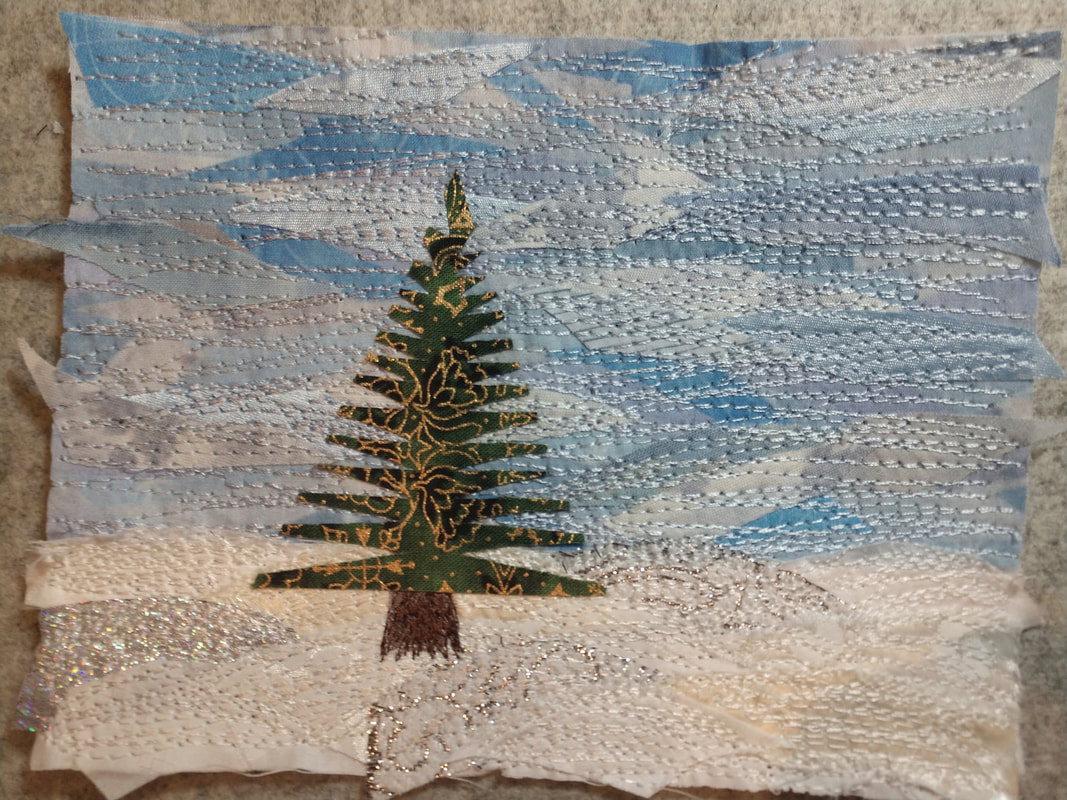 Next is the tree. First the tree trunk is stitched down. Then I iron the green fabric for the basic tree shape. 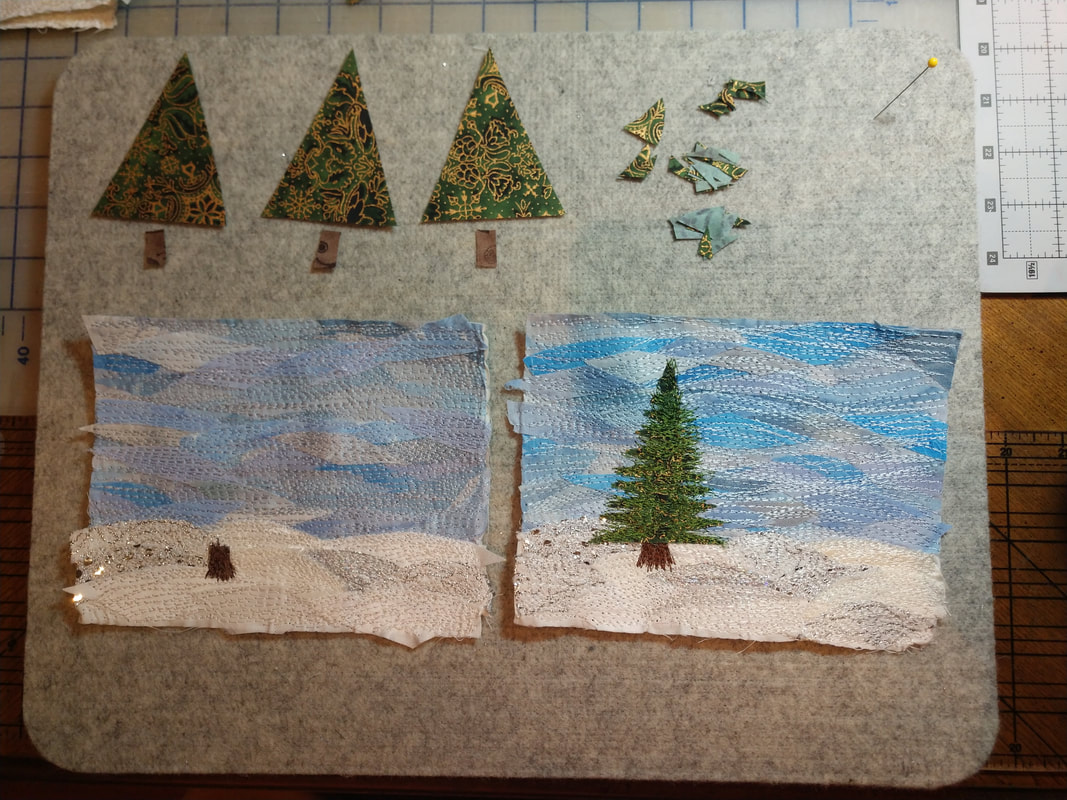 For the tree I use a green thread and free motion work to get the look of pine needles. 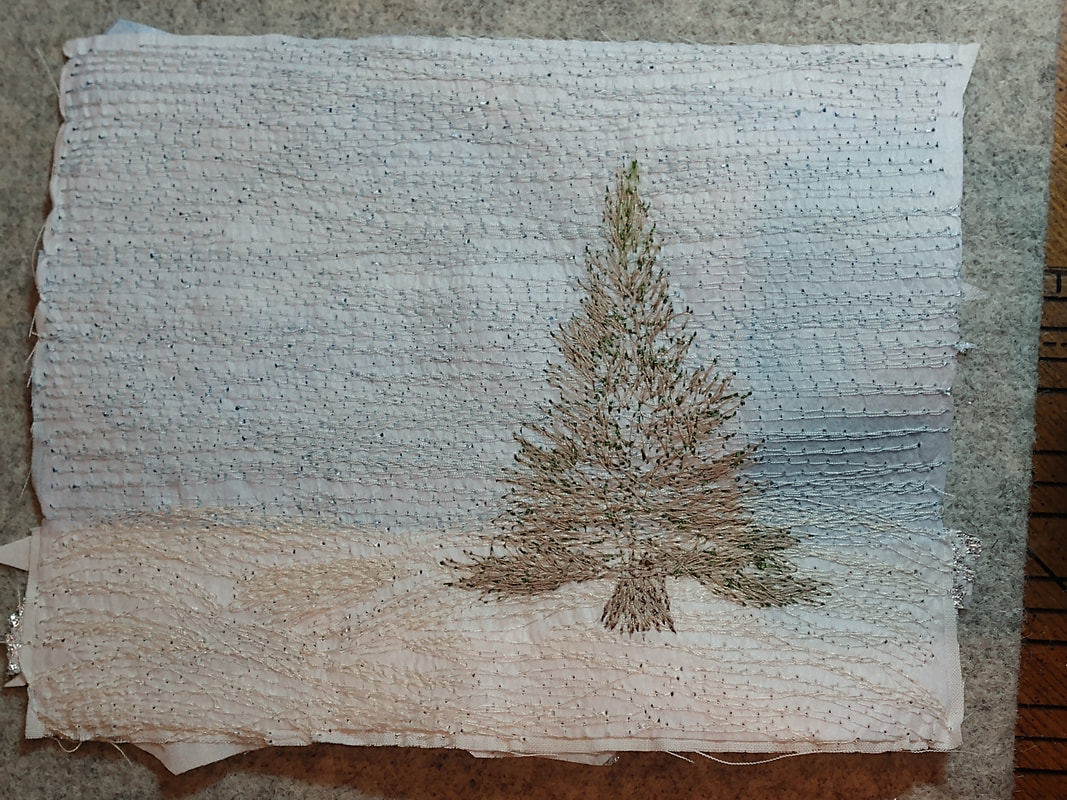 Here's what the back looks like so you can see all the stitching. 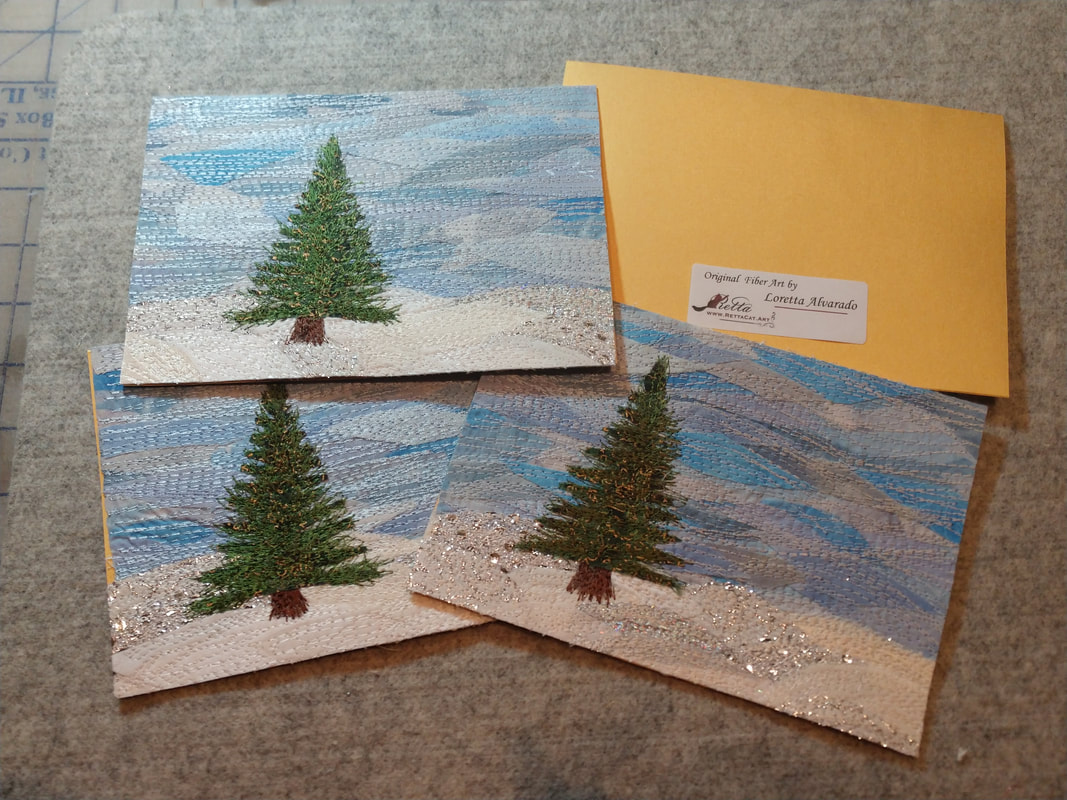 Lastly I glue the artwork onto card stock, trim off the excess, add my label, and sign and number the cards. And now they're ready to go out in the mail.
1 Comment
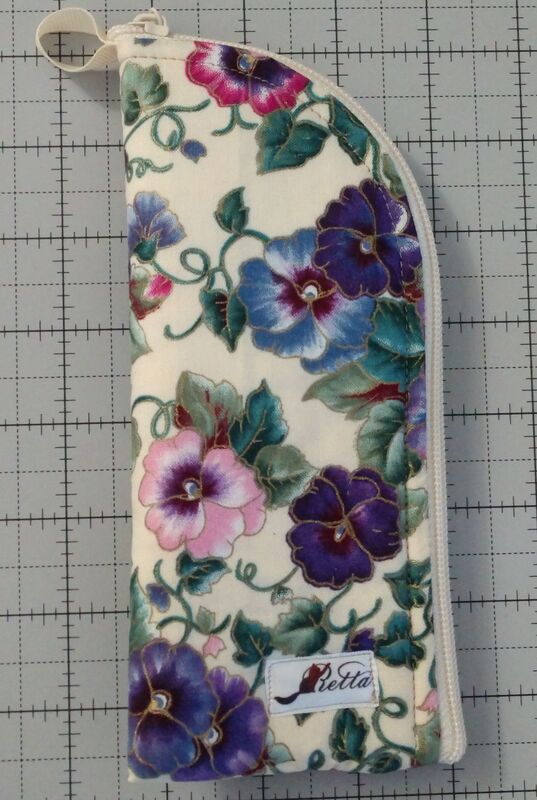
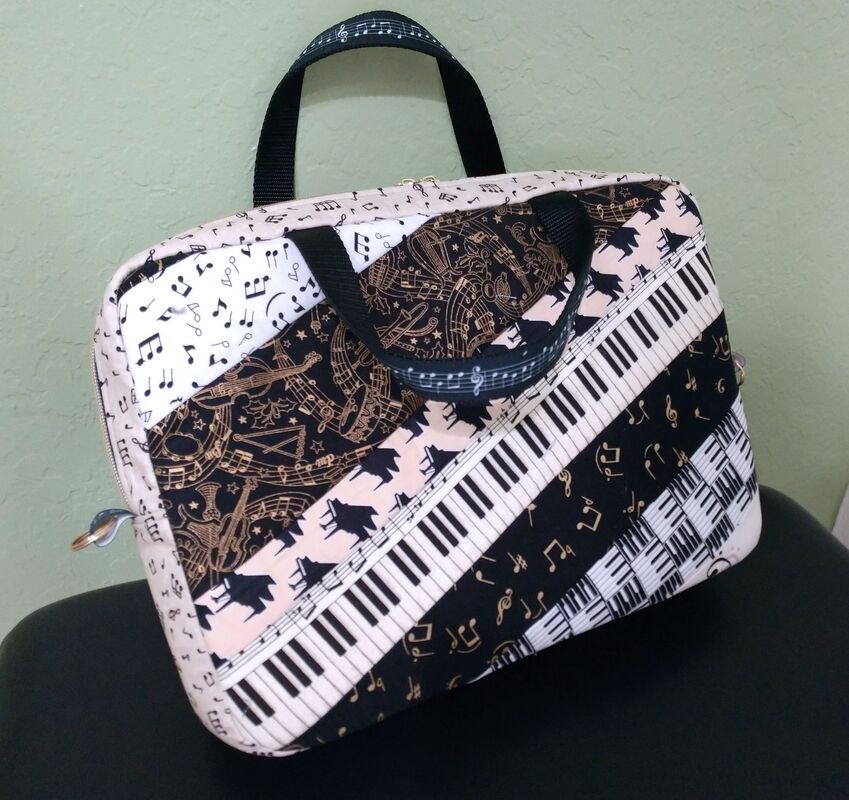
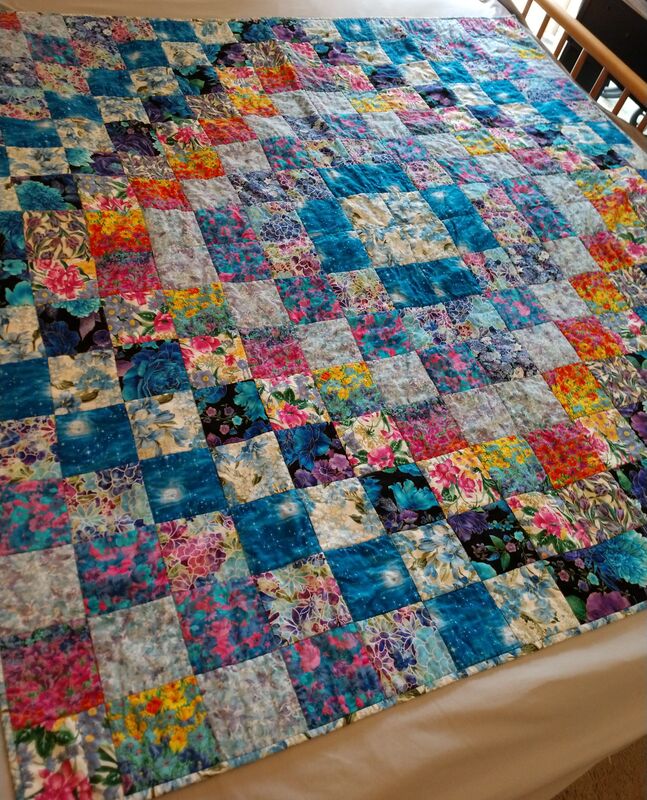
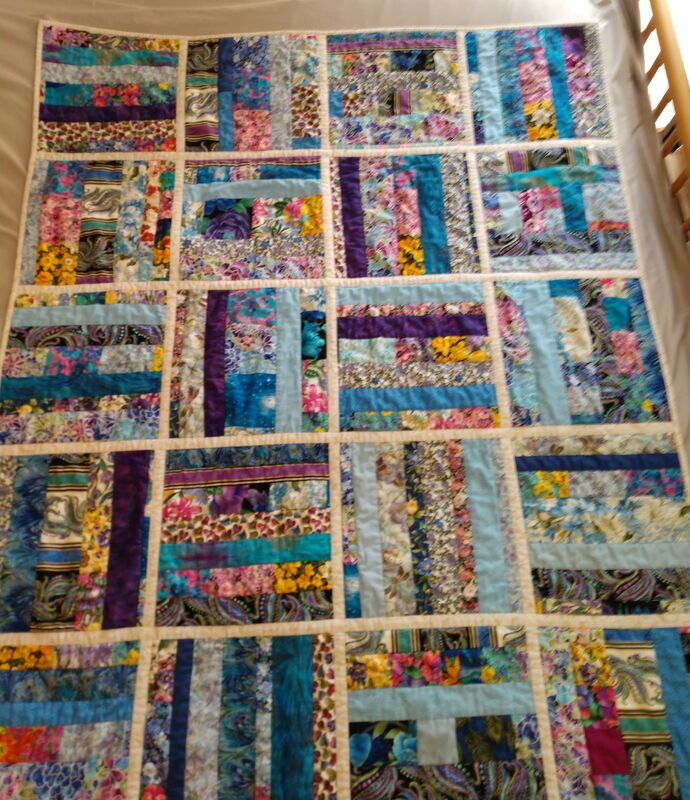
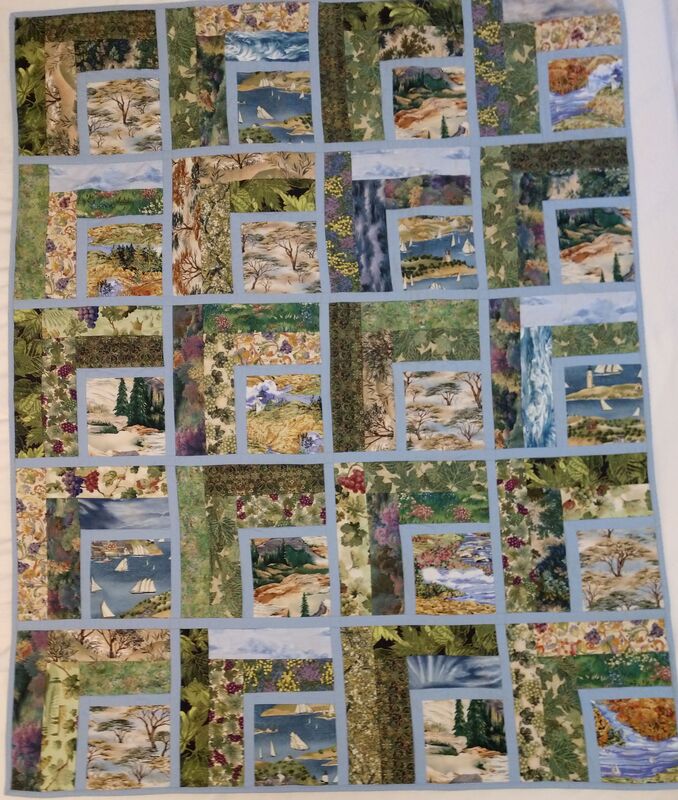
In case you hadn't heard, I suffered a stroke back in May. I have gone from being barely able to get out of bed to being able to hobble around with a cane. I am definitely getting better as the days go by. I have been to lots of physical therapy sessions. They gave me lots of exercises to do. But one of the most important things they told me was to do familiar things around the house. And what is more familiar to me than sewing?!?!? I have been doing lots of sewing in the last couple of months. It has really helped with my rehabilitation. And it's been a change from my usual sewing where I am trying to make enough items to sell at shows. Since I am physically unable to do shows, I can take my time and enjoy the sewing process. I started out with smaller projects like the crossbody bags and eyeglass cases. Then I moved on to a more difficult bag project, a padded laptop/music bag. Then it was on to the quilts. Those ended up being a real upper body workout. You don't really realize how much effort it takes to push around several pounds of fabric. It was great exercise!
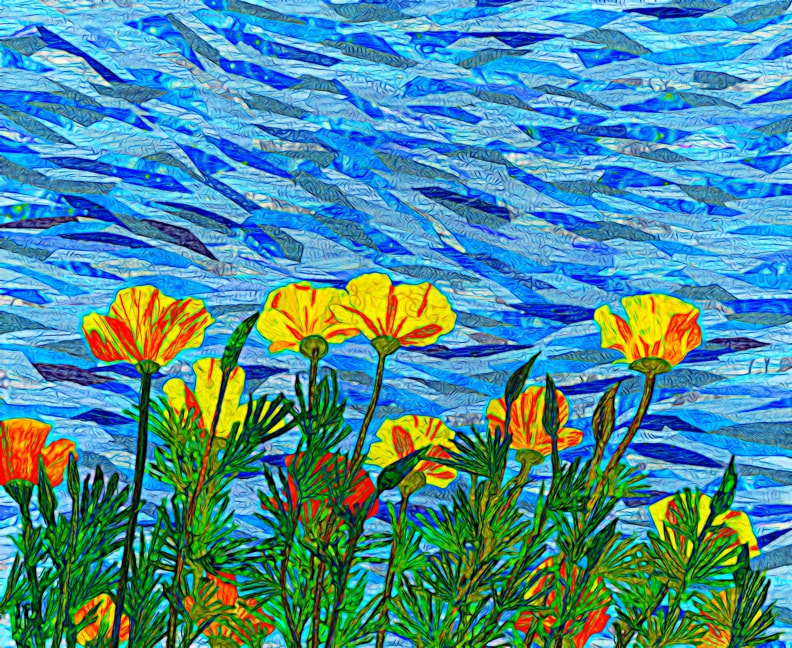
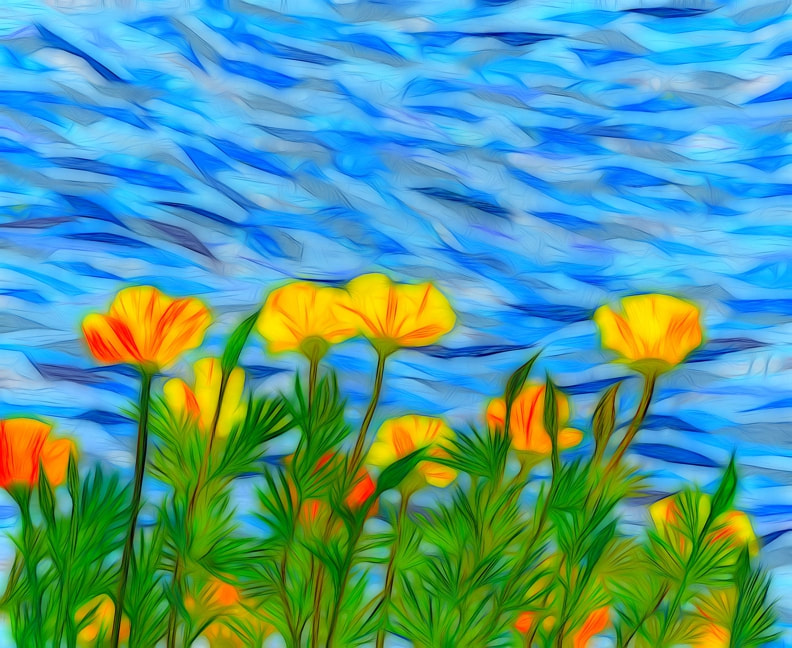
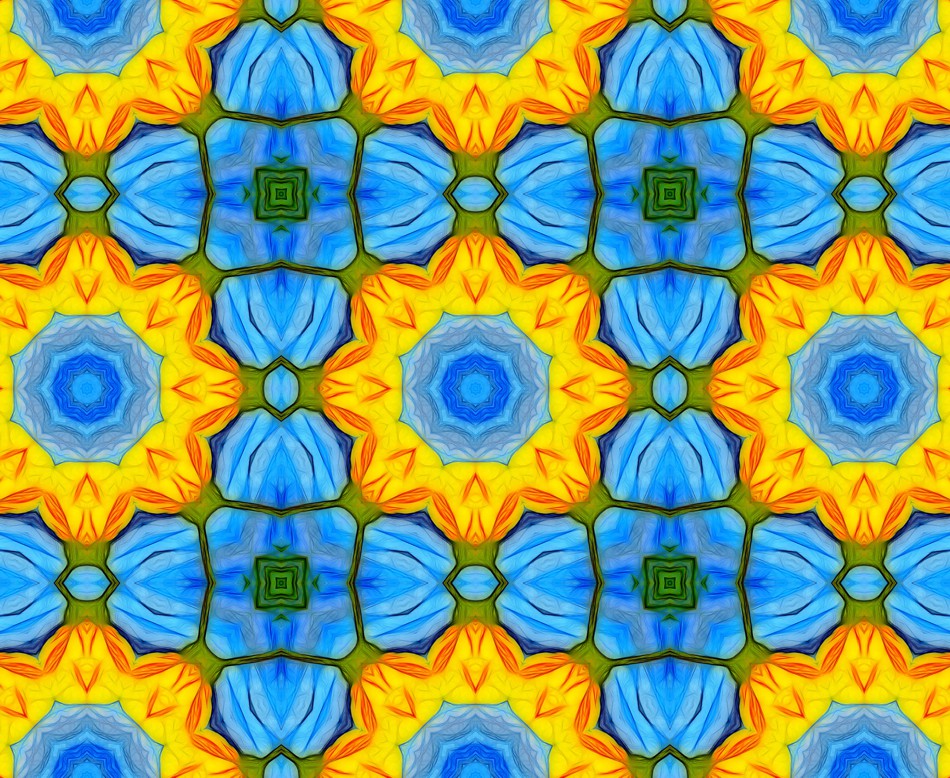
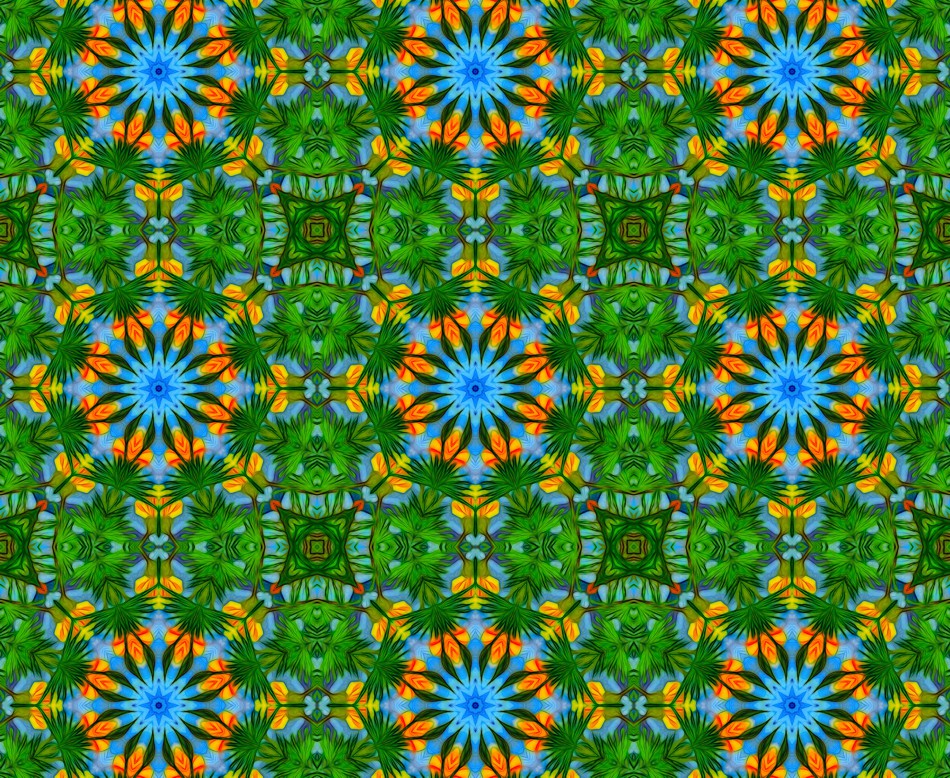
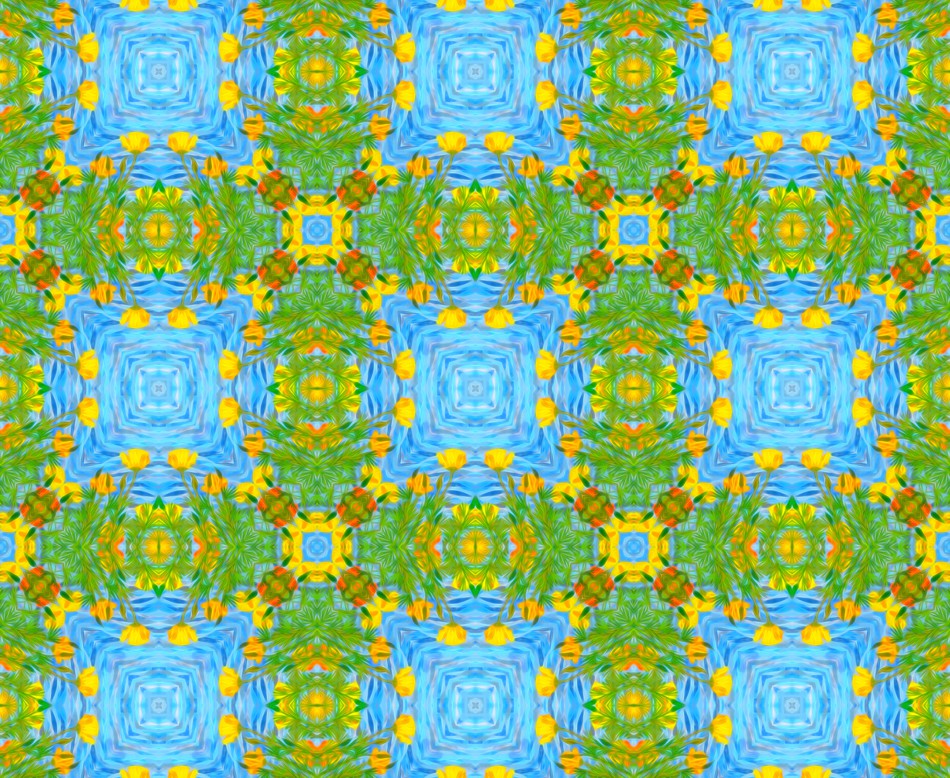
With all that rehab work I was finally ready to tackle some artwork. But I thought I would start small and do Christmas cards. More on that in the next post. I've been really bad about this whole blogging thing. No promises about being better in the future, I know myself too well. So, the occasional blog post will just have to suffice. So, here's what I've been working on. NFTs! Yup, I'm getting back into the whole technology thing. I never would have thought that my engineering degree was going to come in handy for my art career. For my first collection of NFTs I am starting from one of my existing thread paintings, California Poppies, and modifying it in various ways. If you're not familiar with NFT's it stands for Non-Fungible Tokens. Simplified, it means that you can buy one of my digital pieces of artwork using cryptocurrency. You can then have it printed on canvas, or a t-shirt, or whatever. You could also display it on a digital frame. Or you can just keep it and hope that it increases in value so you can sell it later for a nice profit. (No promises there either.) So here's the original Poppies artwork: 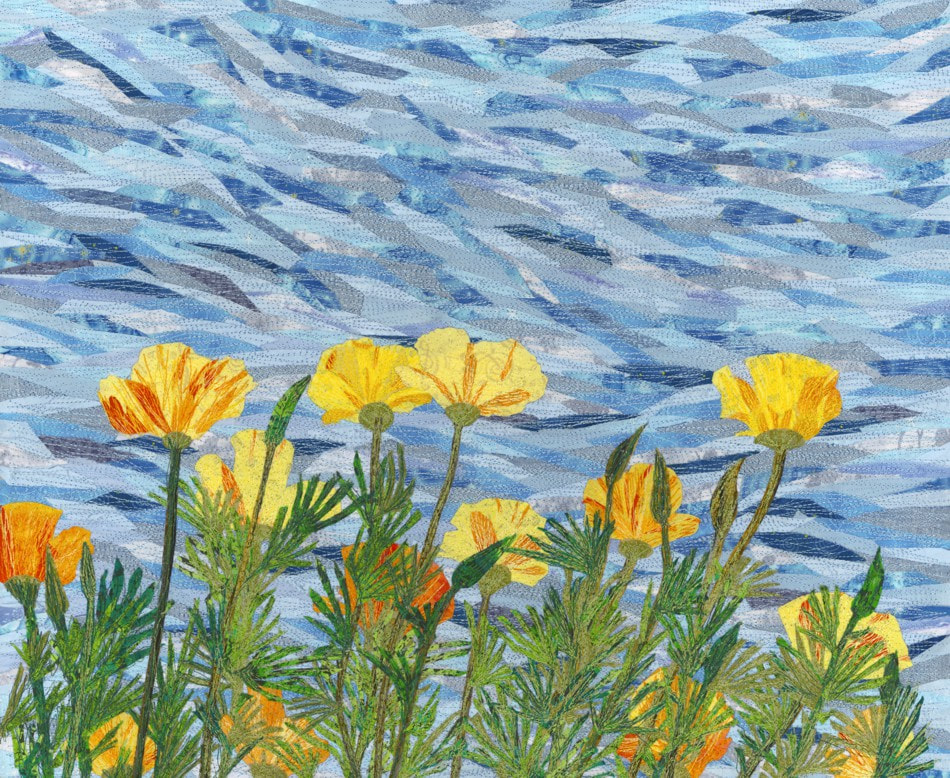 And here are a few of my digitally manipulated images: The bottom three are repeated patterns from a small chunk of one of the images. I've even got some videos in the works. More on that later. Now I need to get back to creating the rest of the collection. I plan on having 31 NFTs in this collection: 10 digitally manipulated, 10 patterns from the digitally manipulated images, 10 videos of the patterns, and 1 digital image of the original artwork.
You can view the collection here: https://solsea.io/collection/620e0d8b58140b5aff35df8e There's nothing in it yet. I need to get a few more pieces of artwork finished before I put them into the collection. 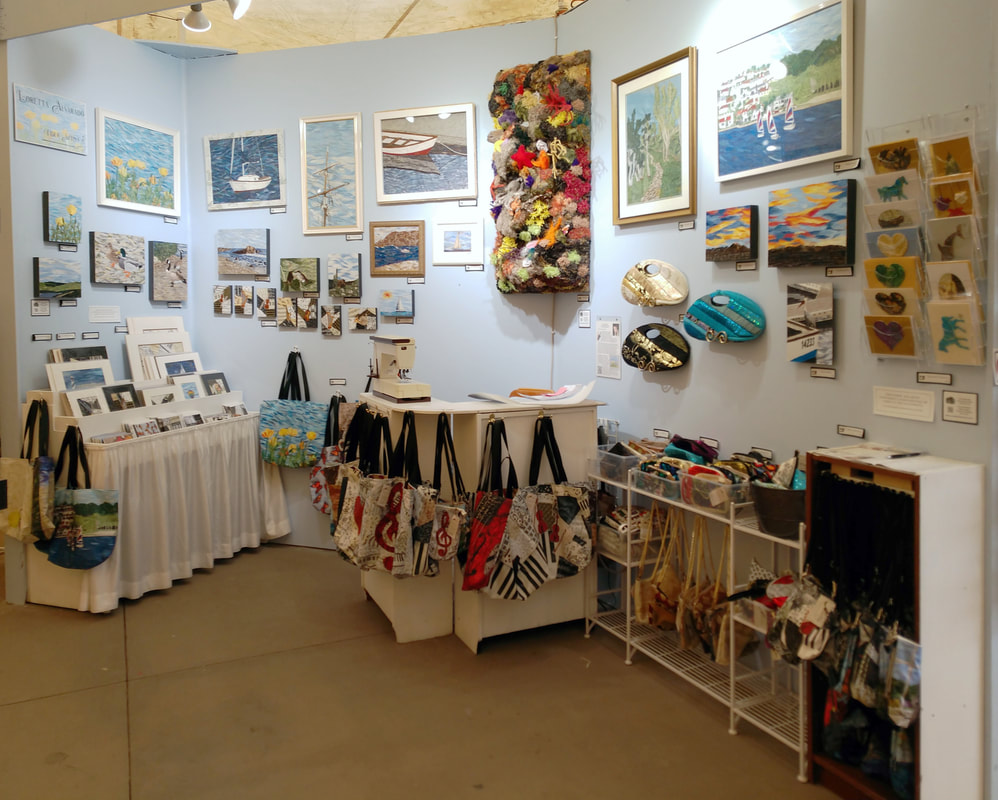 Thank you to everyone who came out to Laguna Beach to see my work at the Laguna Art-A-Fair Festival. I am grateful for each and every one of you!
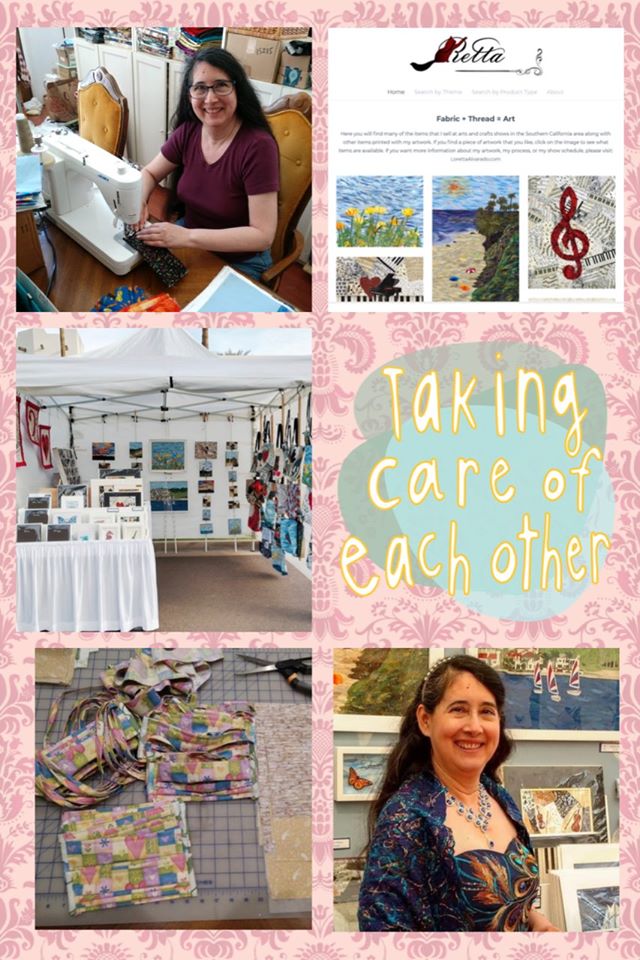 SEWER IN THE SPOTLIGHT: Loretta Alvarado
by Vickie Yahn Bieniak Loretta, a fiber artist, can usually be found working on her art, bags, scarves and various other artistic endeavors. Lately however she has been keeping her sewing machine busy with making masks for HMC. She has donated over 100 yards of fabric and has made over 360 masks. Interestingly enough, Loretta was an engineer at JPL until 1992 before becoming a professional artist. She never thought herself to be an artist when she started participating in craft shows but her artwork was so well received, she transitioned to art shows. Loretta said the shift from working with engineers to artists was very interesting. She had to go from facts to feelings! Loretta had her own art gallery in Laguna Beach with a very successful exhibit called “In the Toilet – An Exhibit of Art Meets Function”. She also is an author, lecturer and teacher helping artists grow, develop and market not only their art but themselves. You can find her series of books “The Shy Artist Guide” on her website: LorettaAlvarado.artor on Amazon. Today, Loretta displays and sells her work at art shows spanning from Arizona, Northern California, Las Vegas and San Diego. This year would have been her 20th year at Art-A -Fair in Laguna Beach where she is on the Board of Directors but they had to make the hard call of postponing this year’s show. If you would like to see or purchase her artwork please go to: Rettacat.art Loretta has made three instructional videos on mask making that she has posted on our HMC page and is currently thinking about creating a 4th video regarding children’s masks. Loretta has been a champion for artists and now we are fortunate to have her champion for the Healthcare Mask Collaborative. Thank you, Loretta for your generous donation of time, masks, fabric and information. 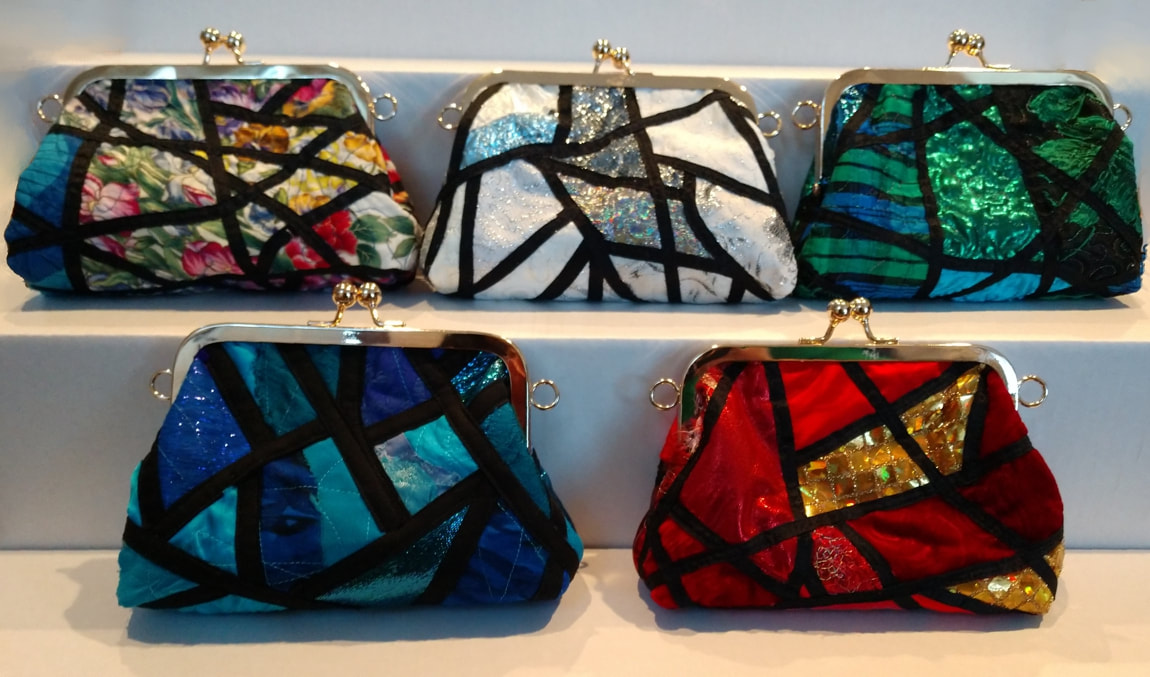 Stained Glass Bags
I don't quite know why, but I love making bags. I have been thinking about it and I wonder if it is because of the 3-D aspect. Maybe it lets me exercise the spacial area of my brain. Or maybe it's because I can create something that is both artistic and functional. Well, whatever the reason, these are my five latest creations. All of them except the red and gold one were created using chunks of fabrics off of other projects. For example, the blue silk one on the bottom left was from the excess fabric cut off when I made a jacket. The floral one was the leftovers from a vest. I just love it when I can use up stuff that I would normally have thrown away. Especially when it results it something gorgeous!
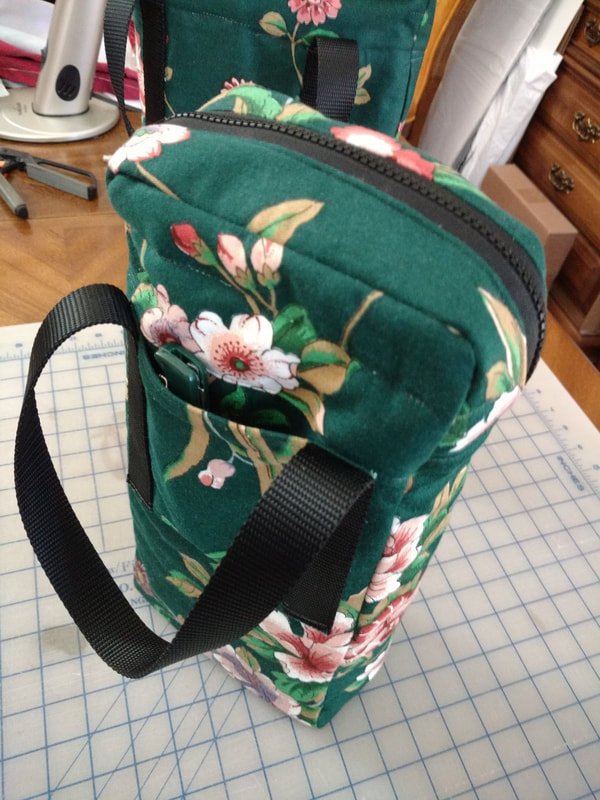
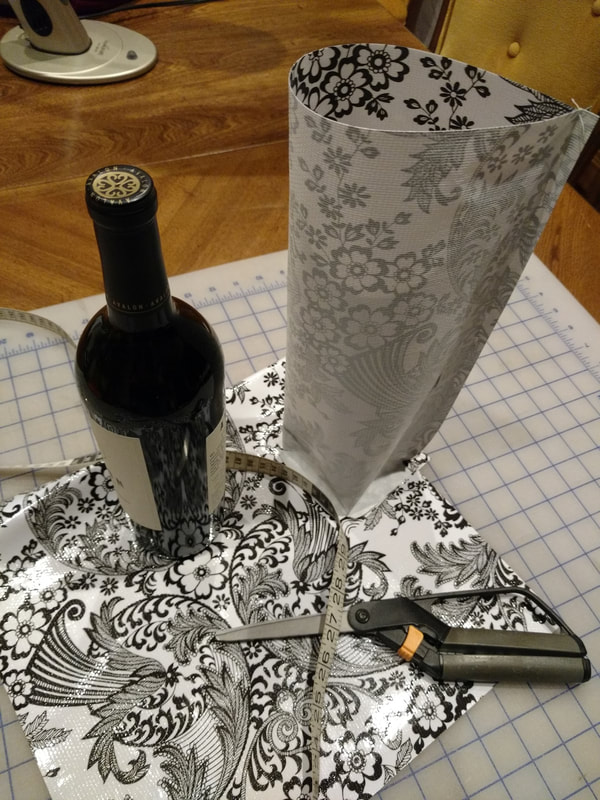
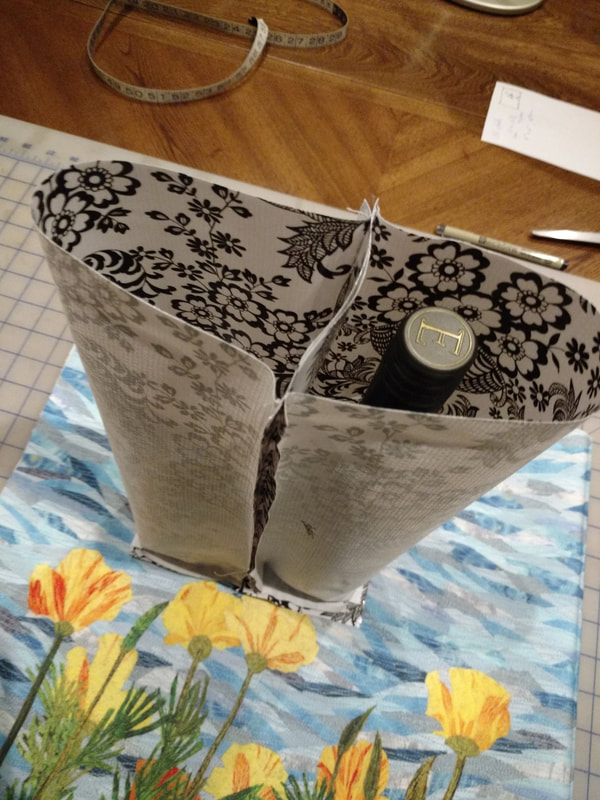
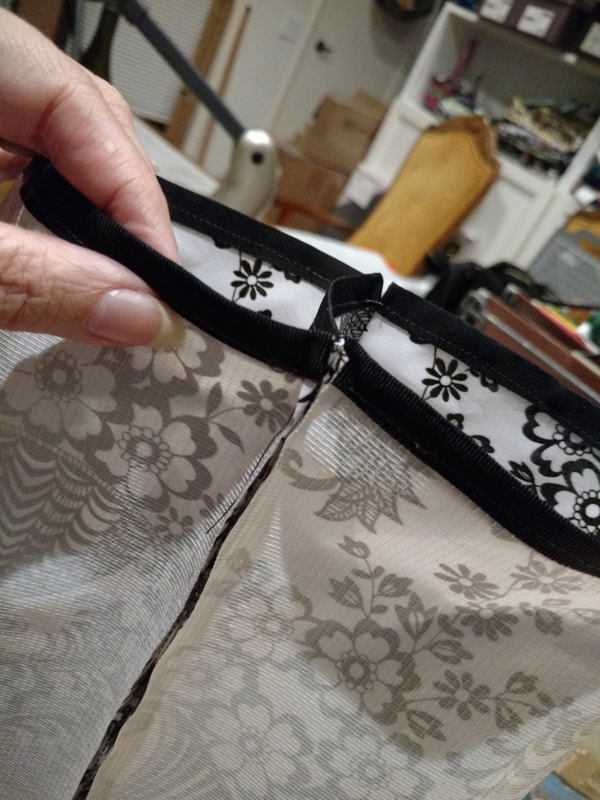
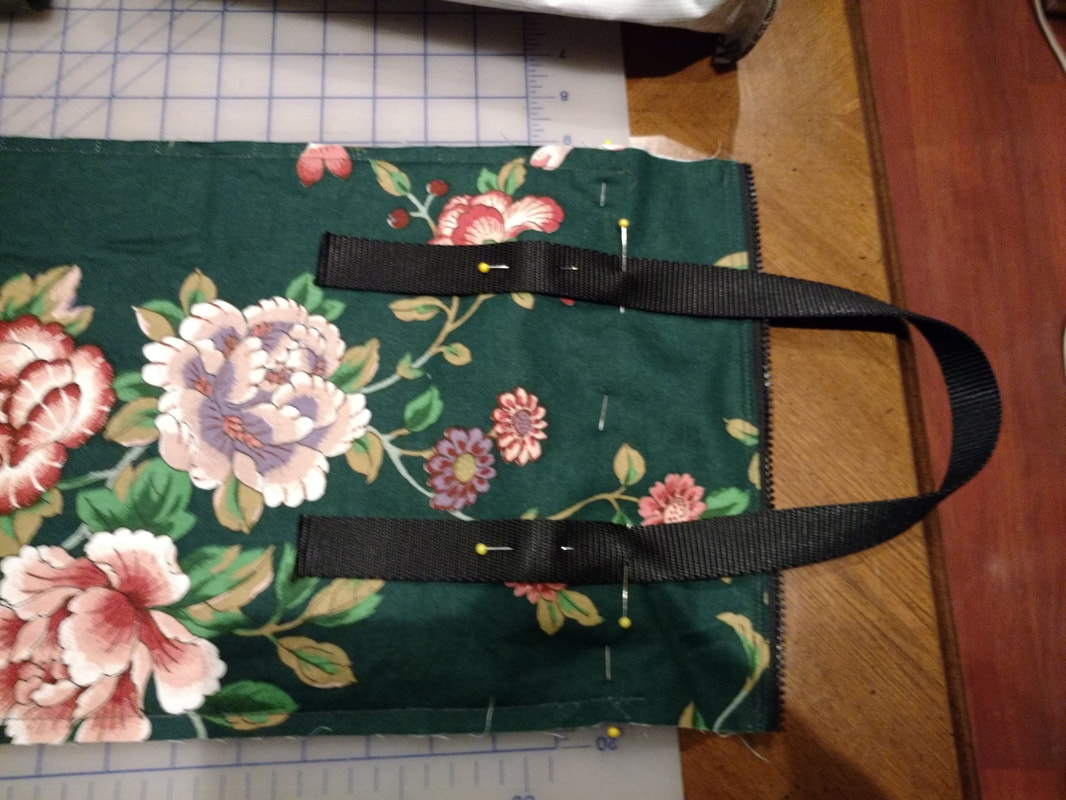
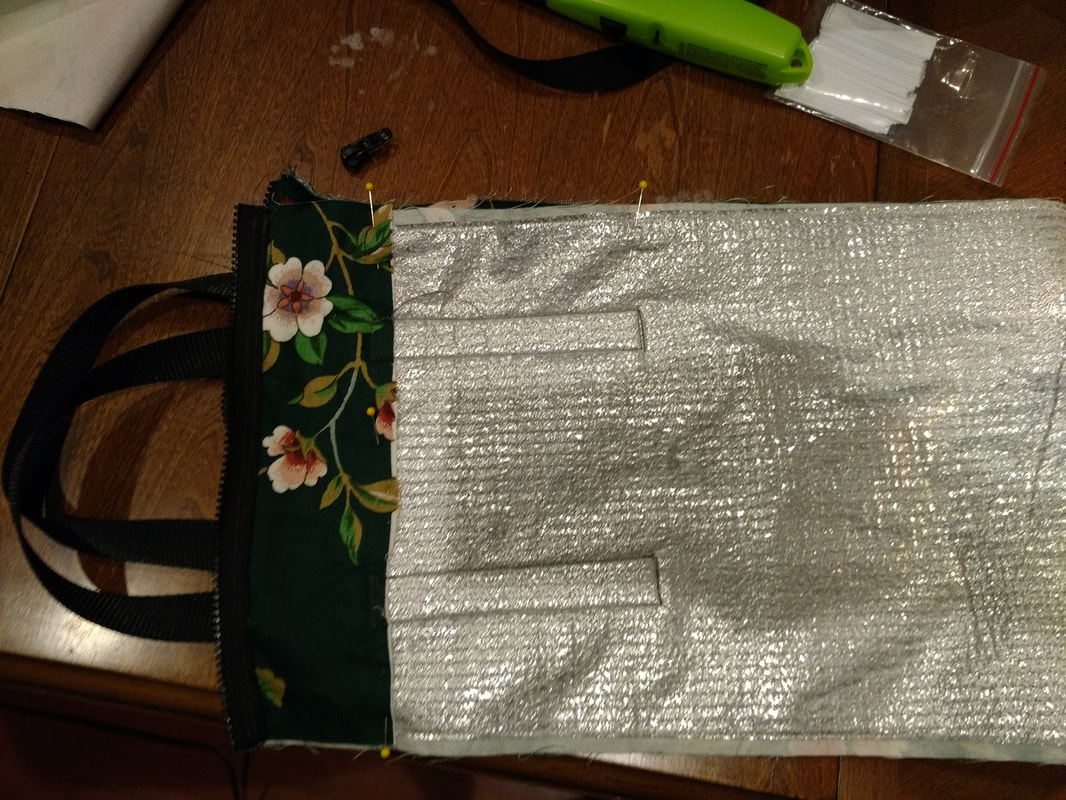
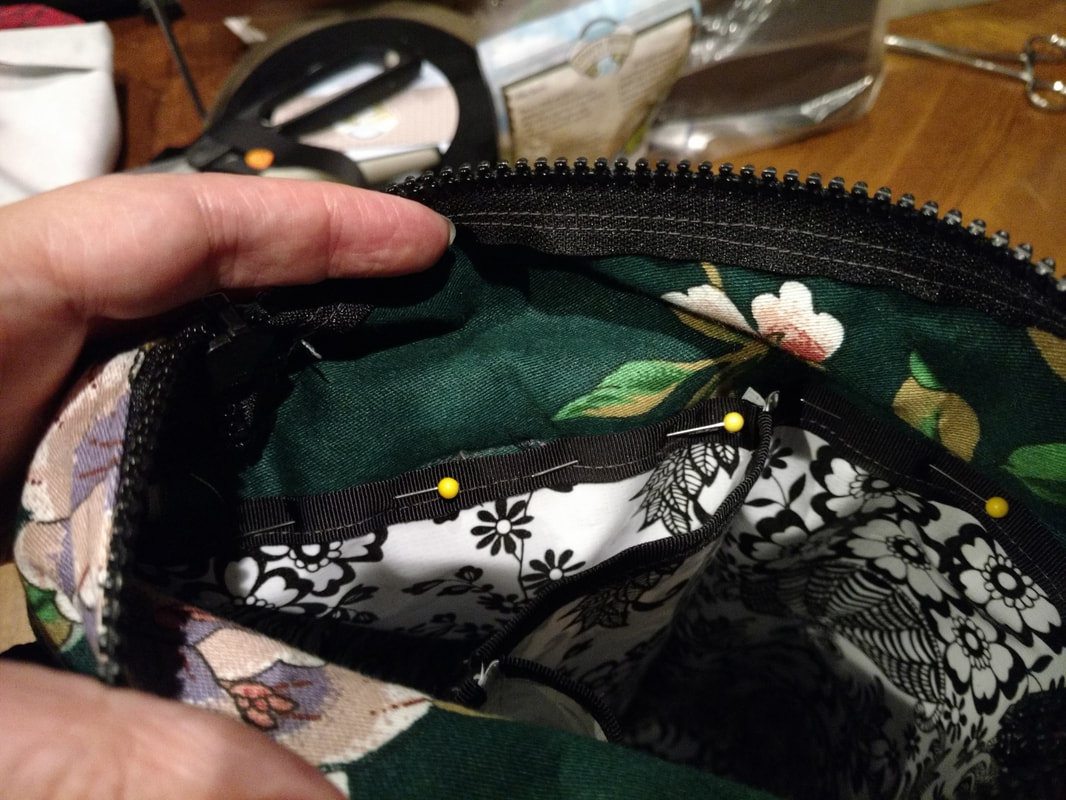
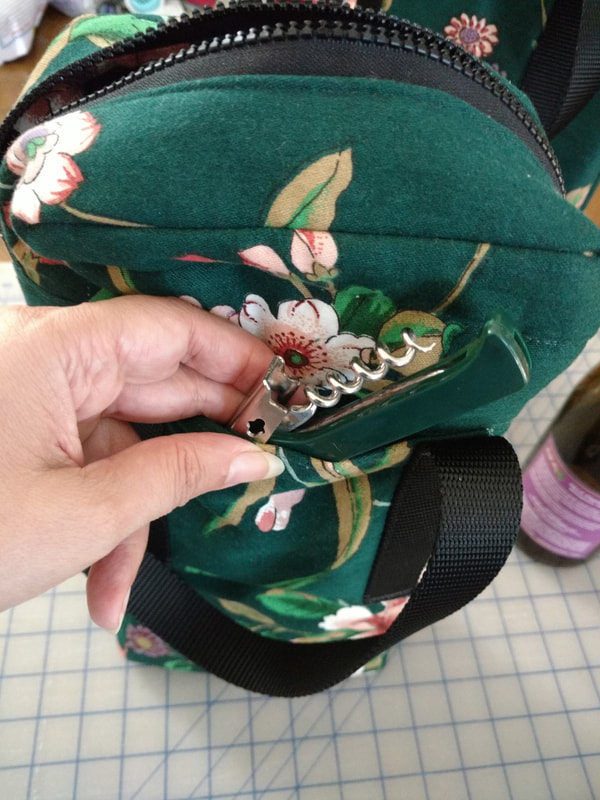
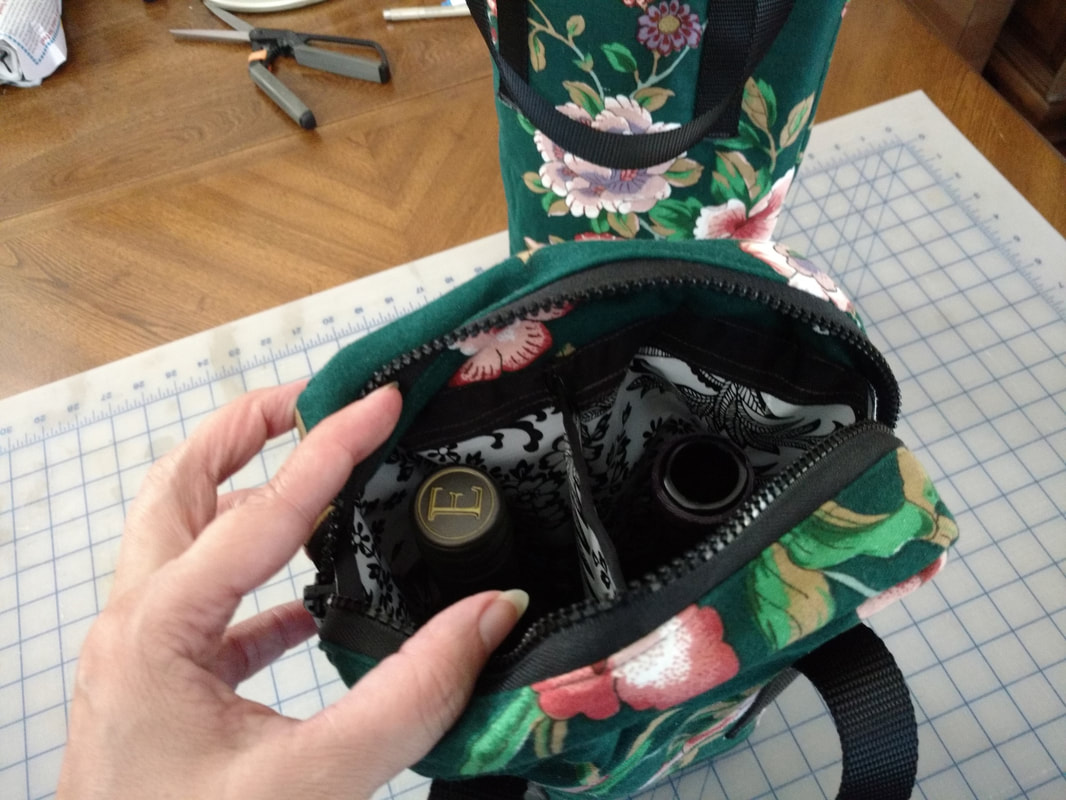
Here are completed prototypes #1 and #2: 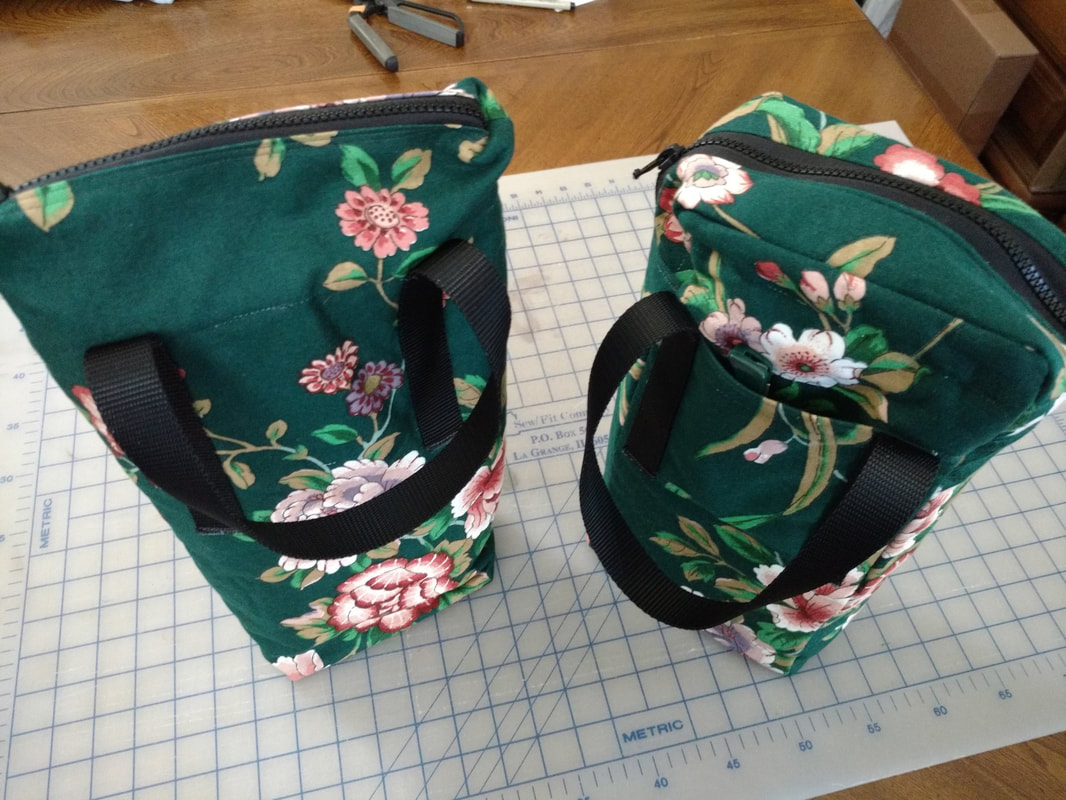 There's even a pocket for a corkscrew. And two bottles fit comfortably inside. There are still improvements to be made. I'll share version #3 later.
 To go with the new bag design that I am making, I had to make new hangtags. Then I decided that if I was going to make new hangtags, I'd better create a logo.
As I was going through some possibilities, nothing was really resonating. Originally I thought I would just do a cleaned up version of my artist signature. But then I remembered that I had recently purchased the domain name RettaCat.Art. That's when it struck me, I needed to somehow add a cat to my Retta signature. So, I found a cat silhouette clip art and played around with it to make the cat part of the "R". I really like the way it turned out. 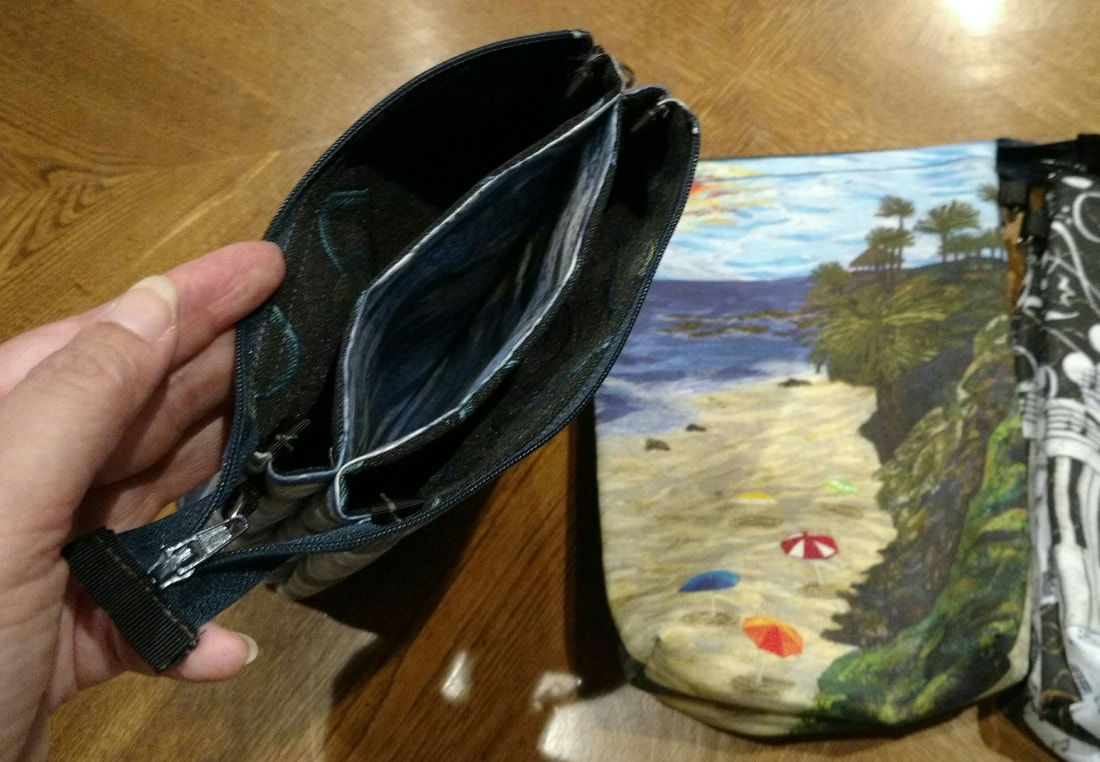 I've been getting ready for the Sawdust Winter Fantasy show. While my tote bags have been a big hit, many people have been asking for a small size hand bag. So, here's what I came up with. It's a three-compartment bag with a zipper and a long detachable strap. The middle compartment is perfect for a smart phone. Just like the tote bags, these have my artwork reproduced on them. And just like the totes, I sew every single one of these. Here's the first three that I've made. I still need to make the straps. These and several other designs will be available at the Sawdust show starting on November 18th. 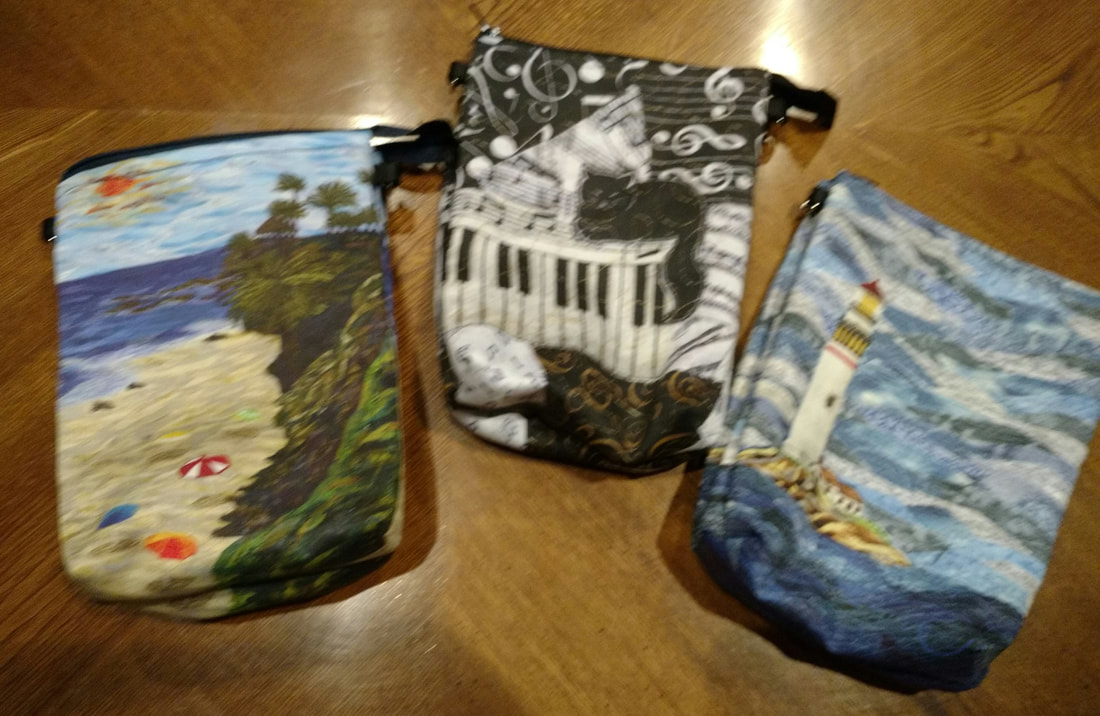 |
AuthorFiber Artist and Author, Loretta Alvarado Categories
All
Archives
February 2022
|



 RSS Feed
|
If you'd like to learn more about my work and my process, subscribe to my (sort of) monthly newsletter. I'll send you information about what I am working on and where you can view and purchase my latest creations. I promise I won't send you too many emails and I won't use your information for any other purpose.
|
|